

 August 3, 2026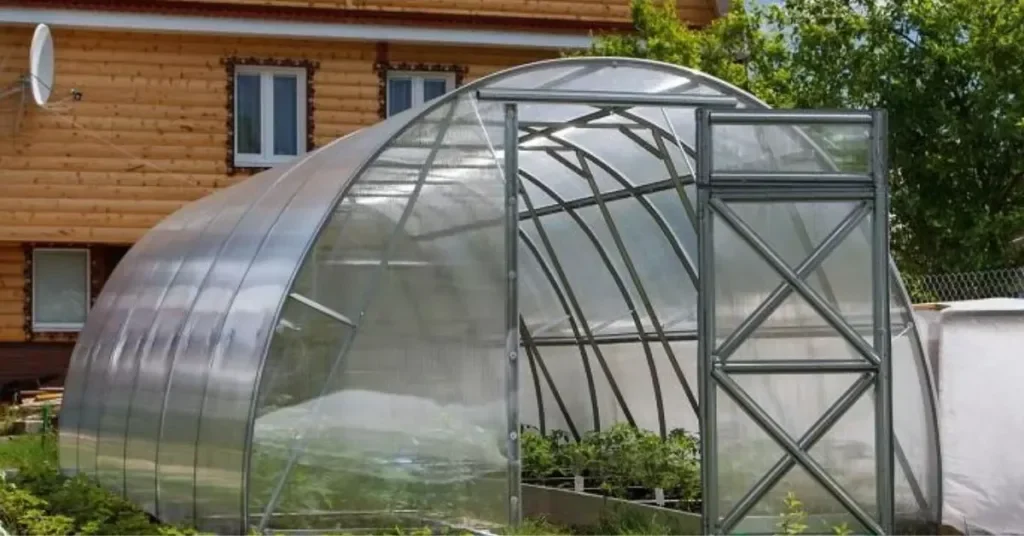
Polycarbonate is a lightweight and durable material used in construction, horticulture, and industry. In practice, it is chosen wherever impact resistance, low weight, good light transmission, and ease of processing matter. Depending on the project, you can choose either cellular polycarbonate or solid polycarbonate.
In this article, we explain what polycarbonate is, what properties it has, where it is used, and what to consider when choosing the right type of sheet.
What is polycarbonate?
Polycarbonate is a thermoplastic material valued for its combination of lightness and high mechanical resistance. In many applications, it is an alternative to glass because it can provide very good transparency while being less prone to cracking during transport, installation, and everyday use.
This material is used, among other things, for roofing, protective screens, skylights, garden structures, and industrial components. Many sheets available on the market have a UV protective layer, which is important for outdoor applications and long-term sun exposure.
Types of polycarbonate
The two most commonly used types of polycarbonate are solid and cellular. They differ in structure, parameters, and typical applications, so the choice should be matched to the specific project.
Solid polycarbonate
Solid polycarbonate has a uniform structure and very good impact resistance. It can provide high light transmission, which is why it is often used where material transparency and an aesthetic appearance are important. It works well for glazing, protective screens, skylights, and modern roofing.
Cellular polycarbonate
Cellular polycarbonate has a multi-wall structure with hollow air spaces inside the sheet. This design reduces the weight of the material and usually improves its thermal insulation compared to solid sheets. For this reason, it is often chosen for greenhouses, winter gardens, canopies, and lightweight roofing.
If a project requires better insulation and less structural load, cellular polycarbonate is more often selected. If the priority is a glass-like appearance and high transparency, solid polycarbonate is usually the better solution.
The most important properties of polycarbonate
Polycarbonate is a material with exceptional properties that make it so versatile and valued across many industries. Its advantages include both mechanical resistance and comfort of use in different conditions.
- High impact resistance. One of the greatest advantages of polycarbonate is its mechanical strength. The material performs well in places exposed to damage, which is why it is used, among other things, in protective screens, roofing, and outdoor structures.
- Low weight. Polycarbonate is much lighter than glass, which makes transport and installation easier and reduces the load on the entire structure. This is important both for small household projects and for larger developments.
- Good light transmission. Depending on the type, colour, and thickness of the sheet, polycarbonate can provide very good interior lighting. This is one of the reasons why this material is so often used in glazing, roofing, and garden structures.
- Resistance to outdoor conditions. For outdoor applications, resistance to rain, wind, temperature fluctuations, and sunlight is important. In practice, sheets with a UV layer designed for outdoor use perform best.
- Easy processing. Polycarbonate can be cut, drilled, and adapted to the project using the right tools. It is a convenient material both for contractors and for people building their own structures. During installation, it is also worth choosing suitable polycarbonate accessories that help properly finish and protect the sheets.
Applications of polycarbonate

Thanks to its exceptional properties, polycarbonate is used in many fields. It is valued in construction, industry, and horticulture alike, where it combines durability, lightness, and safe use. In the following sections, we present the main areas in which polycarbonate performs best, along with examples of its practical use in everyday projects.
Polycarbonate in construction
In construction, polycarbonate is mainly used for terrace roofing, canopies, skylights, protective screens, and lightweight enclosures. Its popularity is driven by the combination of low weight, durability, and aesthetics. The material works well wherever the structure should let in light while maintaining durability and safe use.
Polycarbonate in a greenhouse
In greenhouses, cellular sheets are used especially often because they help reduce heat loss and provide good lighting conditions. This is a practical, lightweight, and easy-to-install solution. If the greenhouse topic is the most important for the reader, it is also worth visiting the page about polycarbonate for greenhouses.
Polycarbonate in industry
In industrial applications, polycarbonate is used for machine guards, housings, partitions, and other components where the combination of durability and low weight matters. However, it should be remembered that scratch resistance depends on the type of material and the specific surface finish, so this parameter should not be generalised for all sheets.
How to choose the right polycarbonate?
The choice should primarily result from the intended application. For greenhouses, lightweight roofing, and structures where insulation and low weight are important, cellular sheets are usually selected. For protective screens, glazing, and projects where a more uniform appearance and very good transparency matter, solid sheets are more often used.
Before purchasing, it is worth checking the sheet thickness, the presence of a UV layer, the intended use of the product, and the installation method. The material itself is not everything – profiles, tapes, washers, and correct construction of the entire system also matter greatly. In this context, the guide how to properly install cellular polycarbonate may also be helpful.
Advantages of polycarbonate compared to other materials
Compared to glass and other popular materials, polycarbonate stands out for its lower weight, high impact resistance, and easier processing. Thanks to this, it can be more convenient to install and more practical in many everyday applications. However, the final choice should always depend on the requirements of the specific project, the expected appearance, and the conditions in which the material will be used.
Summary
Polycarbonate is a versatile material that combines durability, lightness, and a wide range of applications. It performs well in construction, horticulture, and industry, but delivers the best results when the type of sheet is properly matched to the project. Solid and cellular polycarbonate meet different needs, so before purchasing, it is worth comparing their properties, choosing the right thickness, and ensuring correct installation.