


 August 3, 2026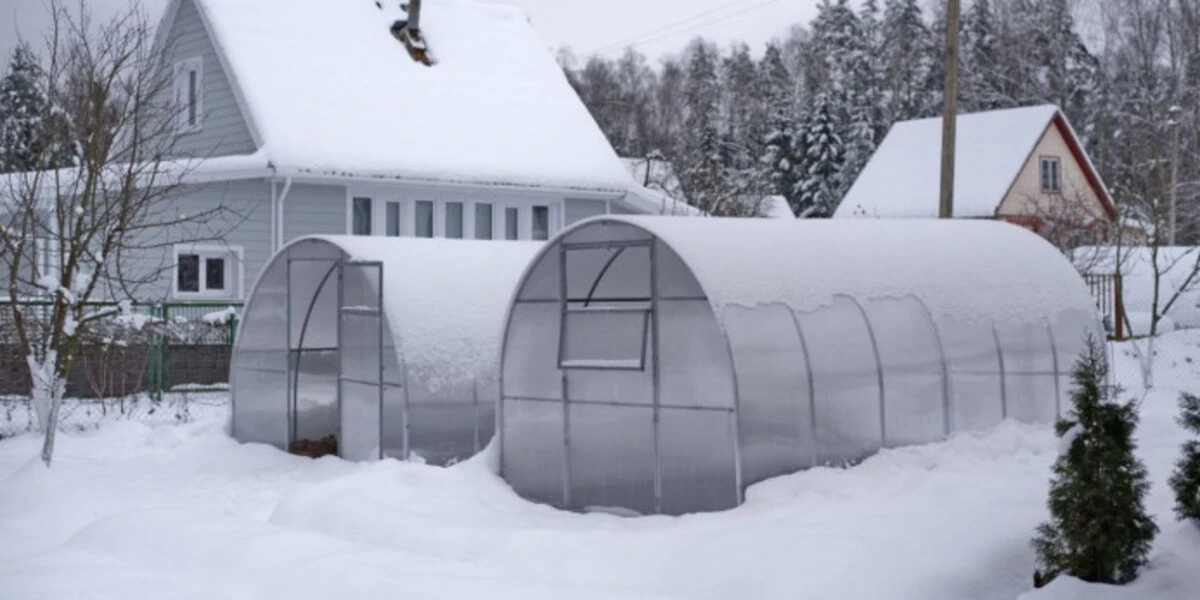
A polycarbonate greenhouse can significantly extend the growing season, but after months of intensive cultivation it requires a short “service routine”. In autumn, plant remains are left inside, deposits build up on the panels, and pathogens and pests may survive in the soil – only to cause problems with seedlings and yields again in spring.
Winter adds further challenges: moisture, frost, and the weight of snow, which is often the biggest test for the structure and the foundation. The good news is that preparing a greenhouse does not have to be complicated – it is enough to follow a few steps in the right order so it can overwinter safely and be ready to start again as soon as warmer days return.
Why is it worth preparing a greenhouse before winter?
Regular post-season preparation reduces the risk of diseases and pest problems the following year, because it removes infection sources and places where insects can overwinter.
It is also a way to improve soil conditions, which tend to degrade faster in a greenhouse due to intensive cultivation. In addition, autumn is the easiest time to spot minor damage to structural elements and the foundation before frost makes it worse.
Main stages of preparing a greenhouse for autumn and winter
The work is best planned in five stages: cleaning, soil treatment, fertilising, washing and disinfection, and structural maintenance. This order is practical: first you remove dirt and organic debris, then you “reset” the soil, and finally you secure the greenhouse for the months of reduced use.
This helps you avoid the situation where you disinfect surfaces and then dirty them again while replacing soil and clearing out the interior.
Cleaning the greenhouse

Start by removing plant remains, as they are most often carriers of diseases and attract pests. Next, take out everything that is stored inside seasonally: bags of fertiliser, seed containers, plant pots, and small equipment that is better kept in a dry storage space. The less you leave inside, the easier it will be to wash and ventilate the greenhouse, and the lower the risk of accessories becoming damp.
Soil treatment

In a greenhouse, the top layer of soil is the most heavily used and loses quality the fastest, which is why the optimal solution is to replace around 5 cm of the top layer of the soil mix.
This is also a good moment to assess the smell, structure, and general condition of the soil. If it felt heavy, stayed wet for too long, or caused problems during the season, refreshing the surface layer can make a noticeable difference in spring. In extreme cases, if you suspect severe infestation, a bactericidal preparation may be used, or as an emergency measure the soil can be scalded with boiling water.
Fertilising

Once the soil has been tidied, it is worth restoring its fertility so that plants do not struggle for nutrients at the start of the new season. A simple and effective option is green manure, such as mustard or rapeseed, which is sown to improve the quality of the soil mix.
Before sowing, you can also apply compound mineral fertilisers designed for vegetables and seedlings. If you prefer a more organic approach, humus and compost work well, as they support soil structure and biological activity.
Washing and disinfecting the polycarbonate and the structure

After cleaning, move on to washing the polycarbonate panels – use a soft sponge and a mild washing-up liquid to remove deposits thoroughly without scratching the surface.
Next, focus on the structural elements: insects can hide in frame gaps and joints, so these areas should be cleaned carefully.
For hard-to-reach places, a sprayer with a long nozzle is useful, and when choosing cleaning agents you should stick to products recommended by the manufacturer of multiwall polycarbonate.
Maintenance and securing the greenhouse for winter

Once cleaning is complete, the greenhouse should be ventilated, then closed and secured by checking all fastenings and latches on doors and vents. Strengthening the frame with additional supports is very important, so the structure can withstand heavy snow loads, especially if intense snowfall is common in winter.
It is also worth inspecting the foundation – if cracks have appeared, it is best to repair them before frost arrives, as cold weather can cause damage to worsen more quickly.
Does a polycarbonate greenhouse require maintenance during winter?
Usually not – if the greenhouse has been properly prepared in autumn, it does not require special care during the winter period.
The key is earlier cleaning, disinfection, ventilation, and securing the structure against weather loads. This way, in spring you can get back to work without catching up on neglected tasks and without unpleasant surprises.
Conclusion
Preparing a polycarbonate greenhouse for autumn and winter is best done in stages: first cleaning, then soil work, fertilising, washing with disinfection, and finally structural maintenance.
This plan reduces the risk of disease in the next season, improves soil conditions, and helps protect the greenhouse from moisture, frost, and snow.