

 August 3, 2026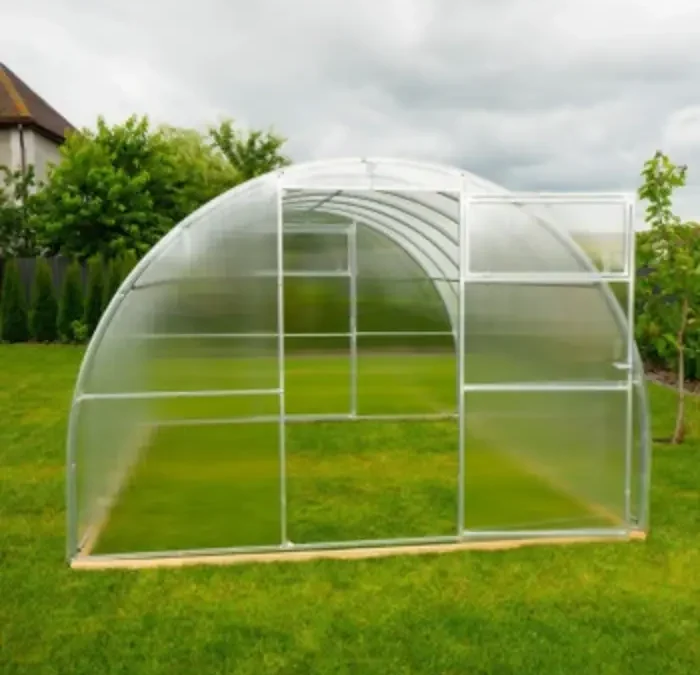
How to choose the right thickness and type of polycarbonate for your project?
Polycarbonate is a versatile material that has gained great popularity across various industries, including construction and gardening, thanks to its light weight, durability, and excellent insulating properties. Choosing the right thickness and type of polycarbonate is essential to ensure the proper technical parameters and long service life of the structure. In this article, we explain how to choose polycarbonate for different applications, taking into account selection criteria based on the intended use and operating conditions.
-min.jpg)
1. Residential buildings
In residential construction, polycarbonate is a popular material used in various applications, such as terrace roofing, balconies, gazebos, and roof skylights. Choosing the right thickness and type of material is crucial for the aesthetics, energy efficiency, and durability of the structure.
Polycarbonate thickness for residential buildings
For residential buildings, it is recommended to choose polycarbonate sheets with a thickness of 6 mm. This thickness provides an optimal balance between the weight of the material and its strength, which is sufficient for terrace roofing or roof skylights. Thicker sheets – 8 mm and above – can be used when additional thermal insulation or better resistance to mechanical damage is required, for example in parts of the building that are more exposed to loads.
Type of polycarbonate for residential buildings
Multiwall polycarbonate, due to its insulating properties, is an ideal choice for residential construction. Its composite structure improves thermal insulation, which significantly affects user comfort, especially in winter, by reducing heat loss and lowering heating costs. Solid polycarbonate, although it has higher light transmission, does not provide the same level of thermal insulation.
2. Industrial buildings
In industrial buildings, such as warehouses, production halls, and logistics facilities, polycarbonate is used on large roof and wall surfaces that must withstand mechanical loads and changing weather conditions. The use of polycarbonate in such structures requires special attention when choosing the thickness and type of material.
Polycarbonate thickness for industrial buildings
For industrial facilities, polycarbonate sheets with a thickness of 8 mm or more should be selected. Thicker sheets provide better resistance to impacts, wind, and temperature changes, while also ensuring high thermal and sound insulation. The use of thicker sheets improves the energy efficiency of the facility by minimising heat loss in winter and improving working comfort on warmer days.
Type of polycarbonate for industrial buildings
Multiwall polycarbonate is definitely preferred in industrial applications. Its structure makes it more resistant to temperature changes and mechanical damage, which is extremely important in an industrial environment. Solid polycarbonate, although it can be used in some cases, does not provide the same thermal protection or resistance to external factors.
3. Conservatories
Conservatories require materials that are not only aesthetic but also provide adequate thermal insulation, helping maintain a comfortable temperature throughout the year. Choosing the right type of polycarbonate for a conservatory is essential, especially when energy savings and comfortable use of the space during winter are important.
Polycarbonate thickness for conservatories
For conservatories, sheets with a thickness of 6 mm or 8 mm are most commonly used. These sheets provide adequate insulation, allowing an optimal temperature to be maintained inside the conservatory even during colder months. For more demanding projects where additional insulation is important, 10 mm sheets may be selected.
Type of polycarbonate for conservatories
Multiwall polycarbonate is the best solution for conservatories because its structure allows for better heat retention. This type of polycarbonate helps reduce heat loss and also provides adequate protection against excessive heat build-up on warmer days, helping maintain a stable indoor temperature.
4. Greenhouses
Polycarbonate is also widely used in greenhouse construction. Thanks to its transparency, polycarbonate transmits light very well while protecting plants from excessive UV radiation, which supports healthy growth.
Polycarbonate thickness for greenhouses
For greenhouses, depending on the climate, sheets with a thickness of 4 mm to 8 mm are used. Thinner sheets – 4 mm – are sufficient in warmer regions, while thicker sheets – 6 mm or 8 mm – provide better insulation, which is important in colder climates where maintaining a stable temperature in the greenhouse is crucial for plant growth throughout the year.
Type of polycarbonate for greenhouses
Multiwall polycarbonate is the best choice for greenhouses because its structure provides proper thermal insulation and even light diffusion, which is beneficial for plants. In addition, multiwall polycarbonate offers higher resistance to impacts and mechanical damage, ensuring the long service life of the greenhouse.
Summary
Choosing the right thickness and type of polycarbonate depends on the specifics of the project and the operating conditions. The thickness of the material affects thermal insulation, durability, and resistance to mechanical damage. Depending on the intended use, the appropriate type of polycarbonate should be selected to ensure optimal conditions of use. With the right material choice, polycarbonate can significantly improve the comfort of using buildings, conservatories, greenhouses, and other spaces.