

 August 3, 2026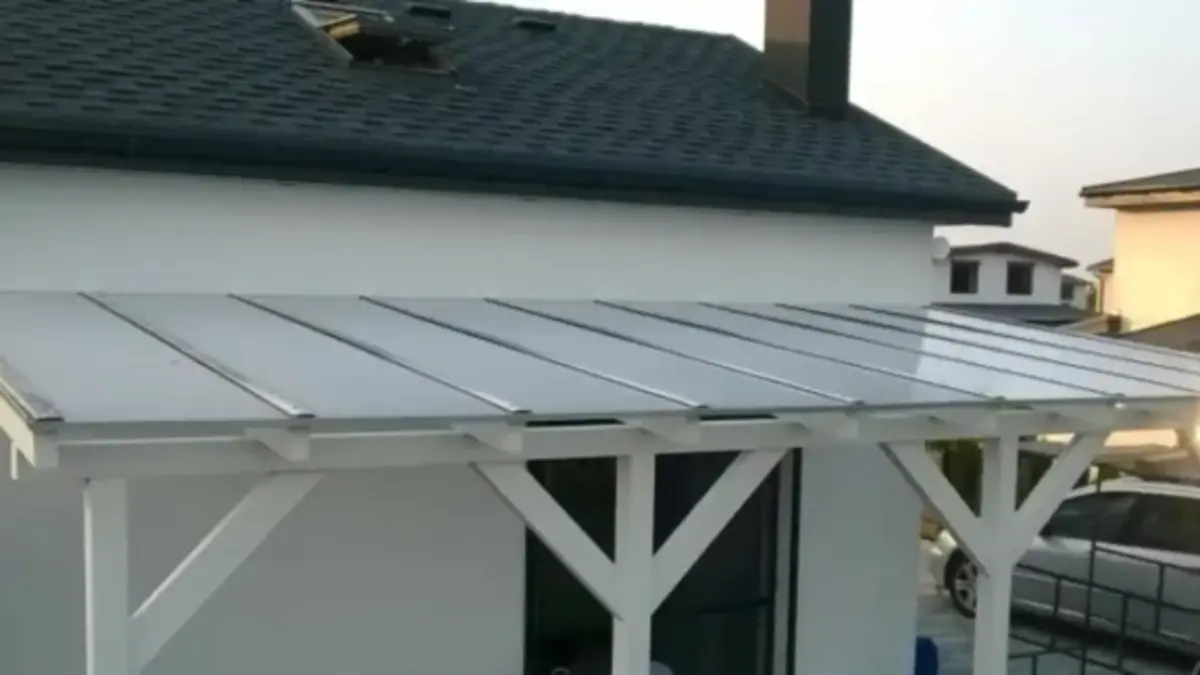
A polycarbonate patio roof is a practical solution that effectively protects the relaxation area from rain, wind gusts, and excessive sunlight, whilst not completely blocking out natural light. Polycarbonate is a lightweight, durable material available in many variants, making it suitable for both modern patio pergolas and simple garden structures attached to residential properties.
Choosing the right sheet colour, however, matters considerably more than appearance alone. The colour of polycarbonate affects the amount of light reaching the area beneath the canopy, the level of heat build-up on the patio, and how well the structure visually complements the building’s façade, window frames, and garden layout. When selecting a polycarbonate colour for a patio roof, it is therefore worth considering not only aesthetics, but also the orientation of the patio relative to the compass, the degree of sun exposure, and how the household typically uses the space.
Why Does Polycarbonate Colour Matter So Much for a Patio Roof?
The colour of polycarbonate has a direct influence on how much natural light passes through the roofing. Clear sheets provide the best illumination of the patio and help maintain a sense of bright, open space. Opal, smoked, bronze, and graphite variants, on the other hand, soften harsh sunlight, reduce glare, and make using the patio on warm days considerably more comfortable.
Thermal comfort is equally important. On a south- or west-facing patio, a completely clear sheet may let through too much solar radiation, causing the space beneath the canopy to heat up more intensely. In such cases, tinted, opal, or smoked sheets tend to perform better. Conversely, on a north-facing patio, an excessively dark polycarbonate sheet may cast too much shade not only over the relaxation area itself, but also over the rooms situated directly behind the patio.
Sheet colour also affects the overall appearance of the design. Clear polycarbonate looks light and neutral; opal gives a calmer, softer effect; bronze pairs well with timber and garden greenery; and graphite suits modern homes with dark window frames, metal details, or an aluminium structure. In practice, a well-chosen colour should fulfil three functions simultaneously: protect against the elements, provide an appropriate level of light, and complement the style of the building harmoniously.
Polycarbonate for Patio Roofing – Why Choose This Material?
.jpg)
Polycarbonate is one of the most widely used materials for patio roofing. This is due to a combination of several practical qualities: low weight, high resistance to mechanical damage, and good light transmission.
In everyday use, this means effective protection of the patio against rain, wind, hail, and falling leaves, without the need for a heavy, solid, and completely shaded roof structure. This is particularly important when the patio is directly adjacent to a living room, dining room, or kitchen, and the roofing should not unduly restrict the flow of daylight into the interior.
The key advantages of polycarbonate used for patio roofing include:
- low weight, meaning the material does not place excessive load on the structure;
- resistance to rain, wind, hail, UV radiation, and fluctuating temperatures;
- good natural light transmission;
- greater safety in use compared with glass;
- the ability to match the sheet colour to the level of sun exposure on the patio and the style of the building.
A further advantage of polycarbonate is its convenience in everyday use. Compared with glass, it is considerably lighter and less susceptible to cracking on impact, making it well suited to external structures exposed to variable weather conditions. With correct installation, an appropriate roof pitch, and proper sealing of the sheet edges, polycarbonate can last for many years with minimal maintenance.
Polycarbonate can be used in roofing structures built on timber, steel, or aluminium frameworks. It performs equally well on a simple patio canopy, a larger pergola, or an extended structure sheltering part of the garden. However, it is not only the sheet colour that matters — the correct type of polycarbonate, the appropriate thickness, and the right fixing system are equally important. Only when all these elements are properly combined can a durable, attractive, and comfortable roofing solution be achieved.
It is worth noting that polycarbonate for a patio roof need not be a plain transparent panel. Depending on requirements, sheets are available in clear, opal, smoked, bronze, grey, and graphite finishes. Such a wide range of colour options makes it easier to match the roofing to the level of sun exposure, the architecture of the house, the colour of the window frames, and the desired visual effect.
Solid or Multiwall Polycarbonate – Does Sheet Type Affect the Result?
.jpg)
Sheet colour matters greatly, but it is not the only factor determining the appearance and functionality of a patio roof. The type of polycarbonate chosen is equally significant. For patio roofing, solid or multiwall (hollow) polycarbonate is most commonly used. Both materials are lightweight and durable, and both are available in various options; however, they differ in construction, appearance, and the way they transmit and diffuse light.
Solid Polycarbonate for a Patio Roof
Solid polycarbonate most closely resembles glass in appearance. It has a smooth, uniform surface with no visible channels, giving the roofing a light, elegant, and contemporary look. This option is often chosen by those who want a clean, transparent aesthetic.
This type of sheet performs well where strong illumination of the patio and the rooms directly behind it is important. Clear solid polycarbonate helps preserve a sense of open space and does not obstruct the view of the sky. It should be noted, however, that in intense sunlight it provides less shade than opal, smoked, or graphite sheets.
Solid polycarbonate is a good choice for modern homes, simple pergolas, and structures where a glass-like effect is desired without the weight and fragility of actual glass. For south- or west-facing patios, it is worth considering a tinted or darkened variant to prevent excessive heat build-up in the space beneath the canopy.
Multiwall Polycarbonate for a Patio Roof
Multiwall polycarbonate differs from solid polycarbonate in its construction. Inside the sheet there are channels — air chambers — which improve the material’s insulating properties. As a result, the sheet remains lightweight and rigid, making it well suited to larger patio roof structures.
This type of polycarbonate is often chosen when the roofing is required not only to protect against rain, but also to reduce excessive heat build-up on the patio. Multiwall polycarbonate can diffuse light more effectively, particularly in opal or white opal variants. As a result, the space beneath the canopy remains well lit, but the sunlight is less harsh than under a fully transparent sheet.
Multiwall polycarbonate is well suited to patios, garden rooms, greenhouses, and other garden structures. It is practical, relatively straightforward to install, and available in variants that allow the level of light to be matched to the conditions on the plot. When choosing this material, it is particularly important to seal the sheet edges correctly to prevent dirt, moisture, and insects from entering the channels.
Which Polycarbonate Colour Should You Choose for a Patio Roof?
.jpg)
Polycarbonate colour is best selected primarily with reference to the conditions on the patio. What matters is not only how a given sheet looks visually, but also how it will perform in day-to-day use. A polycarbonate sheet on a heavily sun-exposed patio will produce a very different effect from one on a shaded patio or one facing the north side of the building.
The key is to strike a balance between light levels, protection from overheating, and the overall appearance of the roofing. A clear sheet provides the best light; opal softens harsh light; smoked creates a more pleasant shade; and graphite accentuates the contemporary character of the structure. The choice of polycarbonate colour for a patio roof should therefore always take into account the orientation of the patio, the style of the house, and how the household uses the space.
Clear Polycarbonate
Clear polycarbonate works best where maximum illumination of the patio is the priority. It is an appropriate solution for north- or east-facing patios, and for areas partially shaded by the building, trees, or neighbouring structures. This type of sheet does not unduly darken the space and helps maintain a light, open appearance for the canopy.
The clear variant pairs well with both modern and traditional structures, as it remains visually neutral. It does not significantly alter the colour of the light beneath the roofing and does not compete visually with the building’s façade. It should be noted, however, that in intense sunlight it provides the least shade. On a south- or west-facing patio it may therefore not offer sufficient comfort on hot days, particularly if the canopy is directly adjacent to a living room or dining room.
Opal Polycarbonate
Opal polycarbonate, sometimes referred to as white opal or milky white, is one of the most versatile options for patio roofing. Its key advantage is that it does not completely block out light, but instead diffuses it gently. As a result, the space beneath the canopy remains well lit whilst being better protected from harsh, fatiguing sunlight.
This is a good option for those who wish to retain natural light on the patio but want greater comfort than a fully clear sheet provides. Opal polycarbonate is particularly well suited to patios used during the daytime, especially where there is a table, seating area, or outdoor workspace beneath the canopy. An additional benefit is its calm, neutral appearance, which pairs well with light-coloured façades, simple pergolas, and most garden designs.
Smoked / Bronze Polycarbonate
Smoked or bronze polycarbonate provides a warmer, more shaded effect than a clear sheet. It reduces the amount of harsh light entering the canopy, making it well suited to patios that heat up quickly in summer. This is a particularly practical choice for south- and west-facing aspects, where the sun is intense for many hours of the day.
The bronze tone pairs well with timber, brick, stone, and garden greenery. It can give the patio design a warmer feel, making it especially suitable for homes with a natural or traditional style. However, it may not always be the best option for small or naturally dark patios. If there is a living room with limited natural light access directly behind the canopy, a smoked sheet may make the interior even darker.
Graphite / Grey Polycarbonate
Graphite or grey polycarbonate works best on modern homes, with anthracite-coloured window frames, aluminium pergolas, and clean, minimalist structures. It creates an elegant, more architectural effect and sits well alongside dark façade details.
This variant restricts light transmission more than clear or opal sheets, and can therefore improve comfort on heavily sun-exposed patios. It helps reduce glare and gives a greater sense of enclosure. It should, however, be selected with care. On a north-facing patio, or where the interior behind is already dark, graphite polycarbonate may look overly heavy and cast excessive shade over the space.
Coloured Polycarbonate
Coloured polycarbonate — for example green, blue, or sand — is better treated as a decorative option rather than a universal solution. In the right setting it can look striking, but it does affect the quality of light beneath the canopy. In practice, the space may take on a pronounced tint that is not always comfortable in everyday use.
Such sheets work best when the colour has been deliberately chosen to complement the façade, garden, or a specific patio style. In most cases, the safer choice is one of the neutral variants: clear, opal, bronze, smoked, or graphite. These are easier to match to the architecture of the house, and the light beneath the canopy remains more natural.
How to Match Polycarbonate Colour to the Orientation of the Patio?
The orientation of the patio relative to the compass is one of the key factors when choosing a polycarbonate colour. The same sheet may perform quite differently on a south-facing patio exposed to strong sun for many hours compared with a north-facing patio where natural light is considerably more limited. It is therefore worth matching the colour not only to the appearance of the building, but above all to the actual conditions in which the patio will be used.
The most straightforward way to assess the right choice is to consider how long and at what time of day the patio receives direct sunlight.
- South-facing patio — this is typically the most sun-exposed aspect and can heat up quickly in summer, particularly with a light-coloured façade, large glazed areas, or a reflective surface. In such a location, opal, smoked, bronze, or graphite polycarbonate tends to work well. The opal variant retains brightness whilst softening the intense rays. Smoked or bronze provides more pronounced shade, whilst graphite is suitable for modern structures and where stronger sun control is required.
- West-facing patio — this receives the most intense light in the afternoon and evening, precisely when the household tends to use the outdoor relaxation area most. The low westerly sun can be glaring and uncomfortable, so smoked, bronze, or opal polycarbonate is a good choice here. A smoked sheet reduces excess light and creates a more pleasant shade; opal diffuses the rays without darkening the patio unduly. Graphite is worth considering when the patio heats up significantly or when the entire structure is intended to have a distinctly contemporary character.
- East-facing patio — this receives the most light in the morning and before midday. The rays at this time are typically gentler than those from the south or west, so a heavily tinted sheet is not always necessary. Clear or opal polycarbonate is usually the best option here. Clear sheeting makes the most of the morning light and preserves a bright character on the patio, whilst opal is preferable when the household wants to limit direct sun during a morning coffee or breakfast outdoors.
- North-facing patio — this receives the least direct sunlight, so care should be taken to avoid overly dark sheets. Graphite, bronze, or heavily smoked polycarbonate may unnecessarily darken the patio and restrict the flow of light into the rooms situated behind the canopy. The safest choice here is clear polycarbonate, or — where gentle light diffusion is required — a light opal variant.
In practice, polycarbonate colour should balance light levels and thermal comfort. On heavily sun-exposed patios, sheets that soften harsh rays and limit heat build-up perform better. In naturally shaded spaces, an excessively dark colour may worsen the effect and result in both the patio and the rooms behind it receiving less light. It is therefore worth observing the patio at different times of day before making a purchase, and choosing the sheet colour to suit the actual conditions rather than purely the visual effect.
How to Match Polycarbonate Colour to the Style of the House and Garden?
Polycarbonate colour should be matched not only to the level of sun exposure on the patio, but also to the appearance of the building, the type of roofing structure, and the character of the garden. Even a technically well-chosen sheet may look out of place if its shade does not complement the façade, window frames, roof colour, patio surface, or the materials used around the property.
The most versatile solution is clear polycarbonate. It works well with simple structures, light-coloured façades, and buildings where the canopy is intended to remain as visually unobtrusive as possible. It does not impose its own tint, making it easy to combine with both timber and metal. It is a good choice when the roofing is meant to protect the patio from rainfall discreetly, without dominating the form of the building.
Opal polycarbonate gives a softer, more understated effect. It suits light-coloured façades, minimalist gardens, and patios in neutral colour schemes. It pairs well with white, cream, grey, light timber, and simple pergola designs. In terms of appearance, it looks less industrial than a fully clear sheet, whilst not darkening the structure as much as smoked or graphite variants.
For homes featuring timber, brick, stone, or an abundance of natural planting, bronze or smoked polycarbonate is a good match. This shade visually warms the patio and helps the canopy blend more naturally into the garden setting. It can be a sound choice for traditional homes, garden rooms, timber pergolas, and patios designed using natural materials.
Graphite or grey polycarbonate looks best with contemporary architecture. It works well alongside anthracite window frames, dark roofing, metal balustrades, and aluminium profiles. It gives the canopy an elegant, more striking character, but requires careful consideration on small or poorly lit patios. If the patio faces north or is adjacent to a dark living room, such a tinted sheet may cast excessive shade over the space.
When choosing a colour, it is worth treating the patio as part of the overall form of the house rather than as a separate element. The shade of the sheet should complement the structure, garden furniture, planters, paving, and planting. In this way, the canopy will look cohesive and natural, rather than like a randomly selected add-on.
What Else Should You Consider When Choosing Polycarbonate for a Patio Roof?
Sheet colour matters greatly, but it should not be the sole criterion for selection. Even a well-chosen shade will not produce the desired result if the sheet is too thin, incorrectly installed, or unsuitable for the roofing structure. For a patio, polycarbonate is best treated as a complete system: the material must protect against precipitation, allow an appropriate amount of light through, and withstand variable weather conditions.
Before purchasing, it is worth paying particular attention to several technical parameters:
- sheet thickness — this should be matched to the size of the canopy, the spacing of the supports, and the anticipated loads;
- UV protection — this shields the sheet from premature ageing and the effects of solar radiation;
- structure type — a timber canopy may have different requirements from a steel or aluminium one;
- roof pitch — this facilitates the run-off of rainwater, snow, and debris;
- profile system — this affects the stability, weathertightness, and neat finish of the sheet edges;
- sealing tape and fixing accessories — these are particularly important with multiwall polycarbonate, as they protect the channels from moisture, dust, and insects.
The installation itself is also critically important. Polycarbonate expands and contracts with changes in temperature, so the sheets must not be fixed too rigidly. Adequate expansion gaps must be left and fixings designed specifically for this material must be used. Over-tightening the sheets can cause stress, deformation, and eventually cracking.
With multiwall polycarbonate, the correct orientation of the channels and proper sealing of the edges are especially important. The chambers should allow any residual moisture to drain away, whilst also being protected from contamination. Without the appropriate tapes, profiles, and end closures, deposits may accumulate inside the sheet over time, gradually diminishing the appearance of the entire canopy.
It is also worth considering how the canopy will be cleaned later on. Clear sheets may show dust, water marks, and leaves more readily, whilst opal or smoked variants tend to conceal minor soiling better. This does not mean they require no maintenance, but in everyday use they may retain a tidier appearance between cleaning sessions.
A well-chosen polycarbonate is therefore more than just the right colour. Sheet thickness, UV protection, correct installation, and accessories matched to the specific type of material are equally important. Only by combining all these elements correctly can you achieve a durable, weathertight, and comfortable roofing solution that will perform well for many seasons.
Summary
The polycarbonate colour for a patio roof should be chosen with reference not only to the appearance of the house, but above all to the conditions in which the canopy will be used on a daily basis. What matters is the level of sun exposure on the patio, the amount of light required in the interior, the desired degree of shading, and the overall style of the design.
At oteko.pl, you can find polycarbonate sheets and fixing accessories to suit a wide range of patio, garden, and greenhouse structures — a practical solution for those looking to build a durable and functional canopy tailored to the conditions of their outdoor space.